With ACT Fulfillment, your product reaches the shelf with its dates intact and its paper trail ready for the next buyer audit.
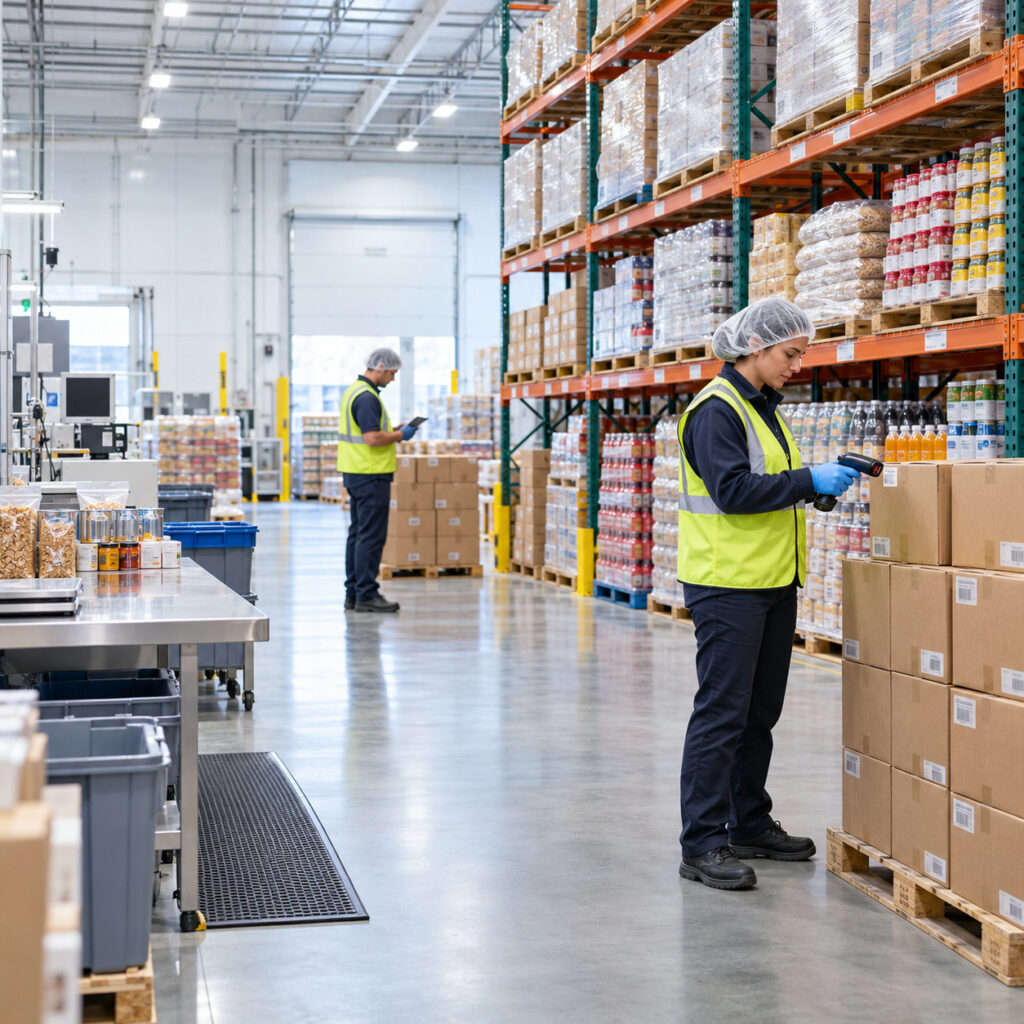
Food Grade Warehouse Services for Retail and Wholesale Suppliers
For manufacturers and distributors selling into national retail, the warehouse is part of the food safety program the buyer approves.
ACT Fulfillment has run retail supply programs for more than 30 years. Our food grade warehouse services apply that experience to shelf-stable food and beverage inventory, with a single team accountable for each lot from receiving through retail delivery.
Buyer-Ready Storage Standards for Food Grade Warehousing
Lot and Expiration Control for Food and Beverage Fulfillment
Recalls, retailer disputes, and regulatory records requests all come back to one question: where did each lot go?
ACT captures the lot code at the dock and keeps it attached to the inventory until the order ships, so that part of your supply chain has an answer on record when a buyer, auditor, or regulator asks.
ACT’s Food Warehousing Capabilities
1
Lot and best-by date capture at receiving.
2
Separate storage locations for each lot as it is received, with allergen-containing products stored apart.
3
FEFO picking, checked against each retailer’s required shelf life before an order ships.
4
Quality holds that keep suspect stock out of pick paths until it is cleared for release.
5
Recall isolation by lot, tracing affected orders and ship-to locations while the rest of your inventory keeps moving.
Sampling and inspection run under ACT’s quality management program, so a suspect lot stays on site until it clears review.
Plan Your Food Storage Program With ACT
Tell us your SKU count, code-date rules, and retail accounts, and ACT will map a program around them, staffed by people who own part of the company.
Distribution From a Food Fulfillment Center
Food fulfillment at ACT draws retail and DTC orders from one lot-controlled inventory. Receiving and outbound run 24×7, so inbound loads keep moving through peak season.
Shelf-Stable Products ACT Stores and Ships
ACT’s food fulfillment center handles ambient, shelf-stable goods, received by the case or pallet:
- ✓Packaged and Canned Foods
- ✓Bottled Water and Beverages
- ✓Dry Ingredients and Baking Mixes
- ✓Snacks and Confectionery
- ✓Supplements and Vitamins
- ✓Food-Contact Packaging and Disposables
Start Your Food Fulfillment Program
Shelf space is earned one on-date delivery at a time. ACT’s food fulfillment services are ready to help your products win more of it, from the first retail order to the next round of new doors.
FAQs on Food Grade Warehousing
Food grade warehousing generally requires FDA food facility registration, storage that protects against contamination, allergen cross-contact, and deterioration, written sanitation and pest control programs, trained staff, and lot-level traceability. Many retailers also expect a GFSI-benchmarked certification, such as SQF or BRCGS, before approving a supplier’s warehouse.
A warehouse that holds food for U.S. consumption generally must register with the FDA and renew that registration between October 1 and December 31 of every even-numbered year. Under 21 CFR 117.93, it must also store food under conditions that protect against allergen cross-contact, contamination, and deterioration of the food and its container.
Traceability for food grade products is maintained by recording lot codes at receiving, storing each lot in a tracked location, and linking every outbound order to the lots it contained. For foods on the FDA Food Traceability List, the FSMA Section 204 rule adds required records at key tracking events, with compliance due by July 20, 2028.